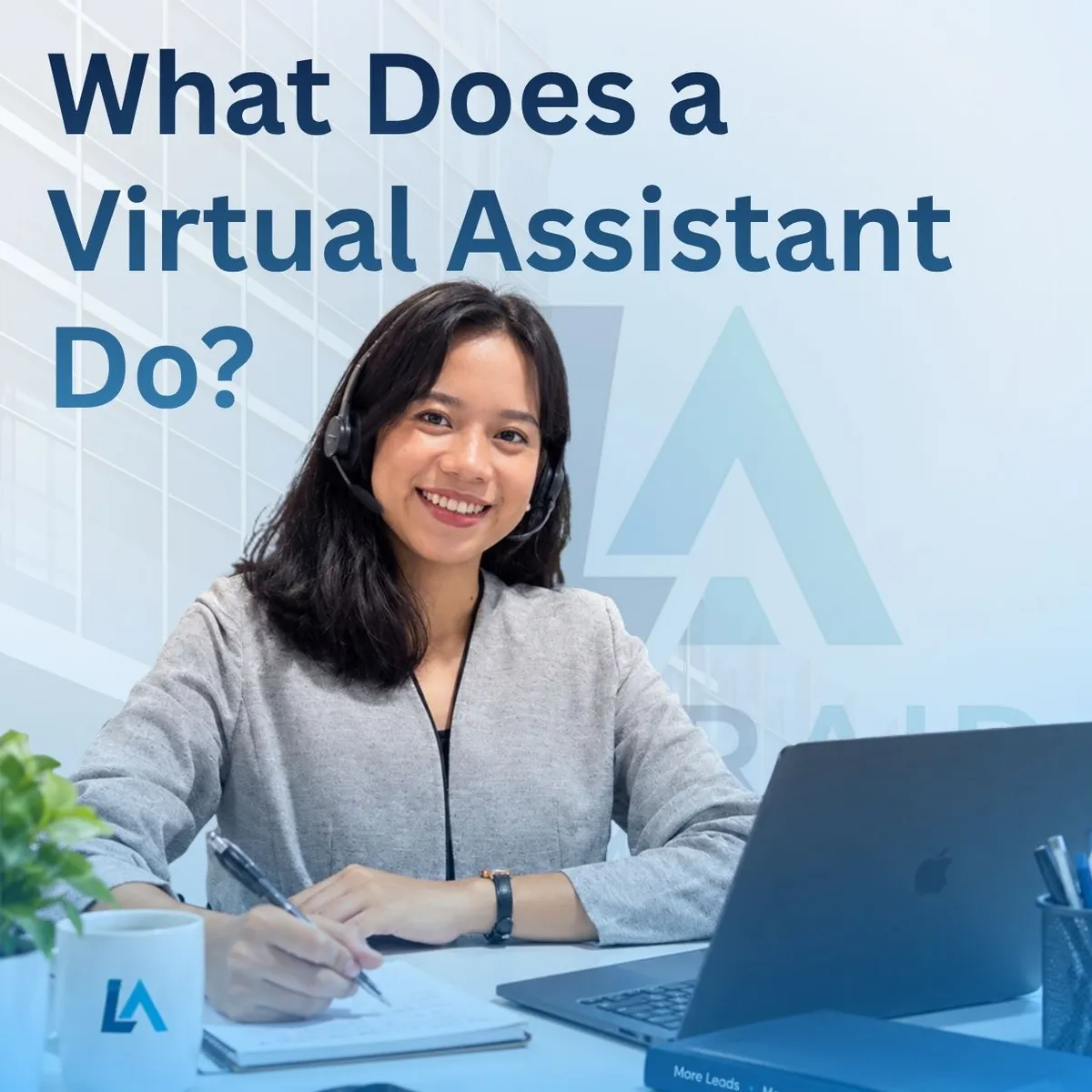
What Does a Virtual Assistant Do?
What Does a Virtual Assistant Do?
If you've ever wondered what a virtual assistant does, you're not alone. Business owners, freelancers, and busy professionals are hiring virtual assistants in growing numbers, but many aren't sure what these remote professionals actually handle day to day. This guide breaks down exactly what a virtual assistant does, which tasks you can delegate, and how to get the most from working with one.
What Is a Virtual Assistant?
A virtual assistant (VA) is a self-employed professional, or a member of an agency, who provides support to clients remotely. They work from their own office, on their own equipment, and connect with you through email, chat, video calls, and shared project tools.
Unlike a traditional employee, a VA typically works on a contract or hourly basis. You get skilled help without the cost of a full-time hire, office space, or benefits.
What Does a Virtual Assistant Do?
So, what does a virtual assistant do on a typical day? In short, a VA provides business, administrative, technical, or creative support remotely, usually online. Think of a VA as an extra pair of hands for a person or business, without anyone needing to be physically in the office.
What a virtual assistant does depends on their skills and your needs. Some are generalists who handle a bit of everything, while others specialize in areas like bookkeeping, e-commerce, or social media.
Common Virtual Assistant Tasks
Here are the most common things a virtual assistant does for clients:
● Administrative work: managing calendars, scheduling appointments, organizing files, and preparing documents
● Email management: sorting inboxes, replying to routine messages, and following up with clients
● Customer support: answering customer questions through email, chat, or social media
● Data entry: entering information into spreadsheets, databases, or business systems
● Social media management: creating and scheduling posts, responding to comments, and handling basic content management
● Research: finding information on competitors, products, suppliers, or potential customers
● Bookkeeping: recording transactions, sending invoices, and tracking expenses (depending on their skills)
● Sales support: finding leads, updating CRM records, and sending outreach messages
● E-commerce support: uploading products, processing orders, and responding to buyers
● Content work: basic graphic design, video editing, blog formatting, and proofreading
Why Do People Hire a Virtual Assistant?
Now that you know what a virtual assistant does, here's why so many people bring one on board:
● Cost efficiency. You pay for the hours you need, not a full-time salary. ● Time back. Every task you delegate returns hours to the work only you can do, whether that's selling, creating, or strategizing.
● Flexibility. Need help for ten hours a week during a busy season? Scale up, then scale back down.
● Judgment and relationship. A good VA learns your preferences, anticipates problems, and gets better over time. That ongoing rapport is something no one-off tool can replicate.
How to Find and Work With a Good Virtual Assistant
Once you've decided which tasks a virtual assistant can do for you, follow these steps to find the right person:
1. Start with a clear task list. Write down what eats your time. If you can't describe the work, you can't delegate it.
2. Look in the right places. Freelance platforms, VA agencies, and referrals from other business owners all work. Agencies handle vetting and backup coverage, while independent VAs are often more affordable and personal.
3. Run a small trial. Begin with a short paid project. It shows you their communication style, reliability, and quality before you commit.
4. Document your processes. Short written instructions or screen recordings help a new VA get up to speed quickly and reduce mistakes.
5. Set expectations early. Agree on working hours, response times, how you'll communicate, and how you'll review work.
What to Watch Out For When Hiring a Virtual Assistant
● Protect sensitive information. Share passwords through a password manager rather than email, grant only the access the job requires, and consider a confidentiality agreement.
● Mind time zones. They can be an advantage, with work getting done while you sleep, or a hurdle if you need real-time collaboration.
● Don't expect mind reading. Even great VAs need context. The more you explain the "why" behind a task, the better the results.
● Give feedback. Small corrections early on prevent big frustrations later. Frequently Asked Questions
What does a virtual assistant do?
A virtual assistant provides remote administrative, technical, creative, or business support, including email management, scheduling, customer support, data entry, social media, research, and more.
What tasks can a virtual assistant do for a small business?
Small businesses commonly delegate calendar management, inbox management, invoicing, customer inquiries, social media scheduling, and lead research.
Is a virtual assistant an employee?
Usually not. Most VAs are self-employed contractors or work through an agency, and are paid hourly or on a contract basis.
The Bottom Line
Understanding what a virtual assistant does makes it much easier to decide whether one is right for you. Hiring a human virtual assistant isn't about giving up control. It's about spending your time where it counts. Start small, communicate clearly, and treat your VA as a real member of the team, and you may wonder how you ever managed without one.